
Best Baits For Bluegill Fishing : Ultimate Guide To Bluegill Lures
Posted by Tom Hennie on Jun 12th 2025

Table of Contents:
- Bluegill Fishing
- What Are Bluegill?
- Ideal Bluegill Habitat
- What Bluegill Eat
- Typical Bluegill Behavior
- Best Baits And Lures For Bluegill
- Lure Scents For Bluegill
- Bluegill Lure Storage
- Tips & Tricks For Catching Bluegill
- Species of Sunfish
- Best Bluegill Lures - Bluegill Fishing Guide Overview
Bluegill Fishing
Fishing for bluegill is a pastime for all levels of angler. Due to their relatively easiness to catch they are an excellent way to introduce people to fishing. Some of my oldest fishing memories are hooking up worms or mayflies to a small hook and catching sunfish off the Lake Erie docks on Catawba Island. They eat a wide variety of baits and lures, and even make for a great tasting fried fish fillet. When you understand bluegill and panfish, you can spend hours catching these guys for cut bait, your cooler, or just releasing them back for the enjoyment of the game. In this article we will discuss what bluegill are, and what the best baits and lures for bluegill are so you can get out there and catch one of the most accessible fish to target. As always if you have any questions fill out the contact us form at the bottom, and if you found this article helpful feel free to share it with your fishing buddies and get out there to catch some bluegill!
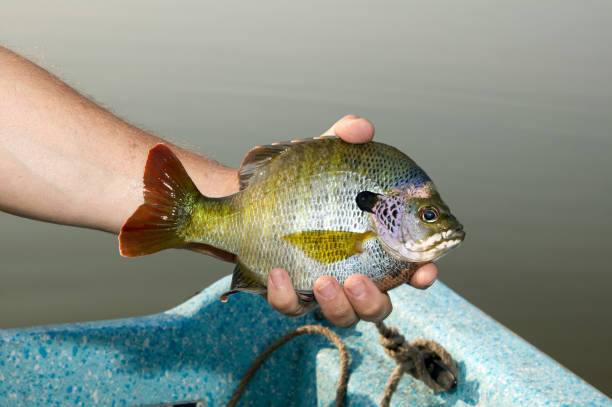
What Are Bluegill?
Bluegills are a popular freshwater fish species in the sunfish family, native to North America. Bluegills are recognizable by their deep, laterally compressed bodies and a dark spot on the gill cover, or “ear flap”, they typically display a mix of olive green, yellow, and blue coloration, with males becoming especially vibrant during the spawning season.
Adult bluegill usually grow to between 6 to 10 inches in length, though larger specimens can reach up to 12 inches or more in ideal conditions, in the world of fishing we call these big bluegill “Dinner plates”. They're highly valued by anglers for their aggressive strikes, abundance, and tastiness, and excellent use of live bait for larger species, making them one of the most targeted panfish in the U.S. Other panfish or sunfish include fish similar to the bluegill like the green sunfish, pumpkinseed, redear sunfish, long ear sunfish, and the redbreast sunfish. The lure, fishing, and other tips in this article can be applied to all these types of panfish.
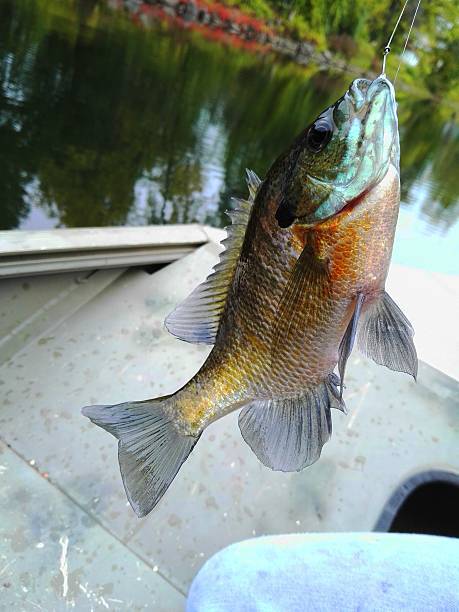
Ideal Bluegill Habitat
Bluegill thrive in a wide variety of freshwater environments including ponds, lakes, reservoirs, slow-moving rivers, and streams. They prefer calm, warm waters with plenty of vegetation, submerged logs, or brush piles that offer shelter and ambush points. Shallow bays and coves with soft bottoms and aquatic plant cover are especially favorable during spawning. Though native to the eastern and central U.S., bluegill have been widely introduced across North America and even globally due to their adaptability and popularity as a sport and forage fish. Probably one of the most common pond fish in America, across the board if you find a fishable body of water, you are likely to find bluegill in it. So, follow the lures and bait guide below to find out for yourself if that pond or creek is holding some bluegill.
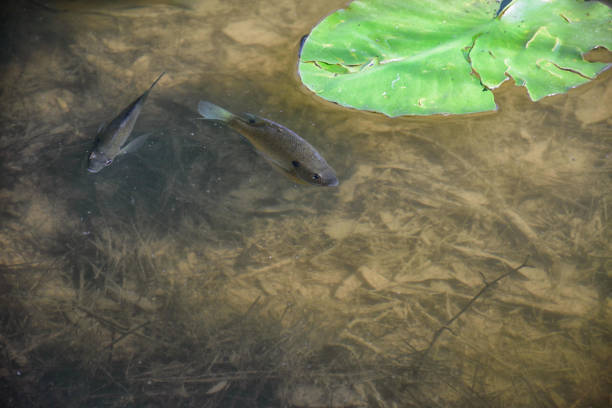
What Bluegill Eat
A bluegill’s diet will change as they grow but are opportunistic feeders meaning if it is in front of them, they will eat it, which is great news for anglers. Bluegill fry or spawn primarily feed on plankton and microscopic invertebrates, while adults expand their menu to include insects, insect larvae, small crustaceans, snails, zooplankton, and occasionally small minnows. They often feed near the surface during early morning and late afternoon but will forage throughout the water column if food is available. In captive or managed settings, they readily accept commercial pellets and other supplemental feed. Later on in this article we will review the best live bait for bluegill fishing.
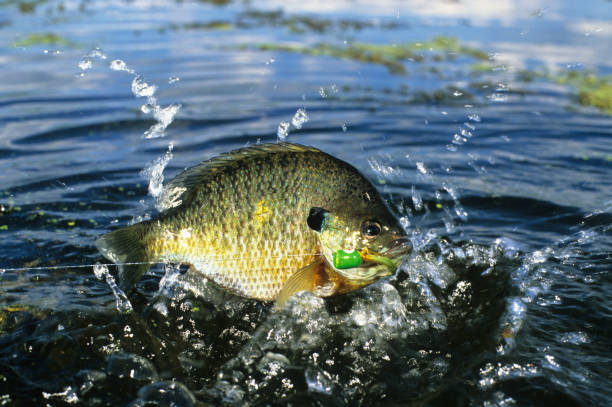
Typical Bluegill Behavior
When you see bluegill in a pond or creek, often they are schooling in groups, especially as juveniles. This is because bluegill and sunfish are very social fish and find strength and comfort in numbers. Panfish are most active during daylight hours and tend to stay near cover where they can easily dart out to ambush prey or avoid predators. During the spawning season, typically late spring through summer, males construct shallow, circular nests in colonies on sandy or muddy bottoms. You can identify these beds because they will look like dimples on a golf ball along the shallow parts of ponds. They aggressively defend their nests from intruders, including other fish and even humans, which means if you are fishing you can easily trigger a reaction strike. After spawning, bluegill may become more dispersed but generally remain close to structure for safety.
Best Baits and Lures for Bluegill
Despite being known for aggressive eating, and easiness to catch, depending on the time of year and season bluegill can be picky. Let’s talk about the best lures, baits, water temperatures, and conditions that make for the best bluegill fishing possible. The best bluegill lures will mimic their natural diet of insects, worms, aquatic creatures, and other small things that live in their environment. There are some tried and true best baits and lures for bluegill like wax worms, crickets, light jigs, small soft plastics, and micro hard baits we will review the best baits and lures to have if you are trying to fill your cooler with some keeper bluegill.
Our Top Bluegill Baits & Lures:
- Small Worms
- Crickets & Insects
- Wax Worms & Meal Worms
- Soft Plastic Grubs
- Inline Spinners
- Small Crankbaits
- Bluegill Fishing Kits
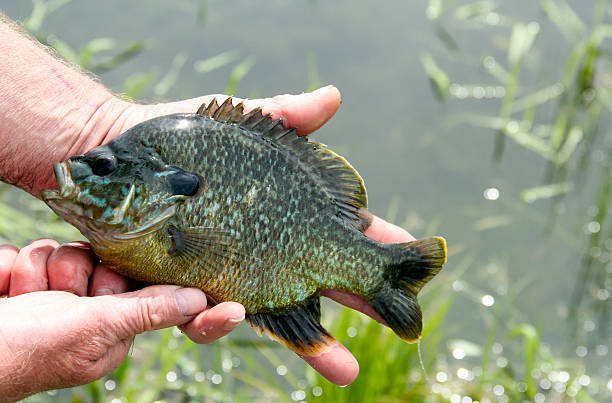
Worms for Bluegill Fishing
One of the best and most popular baits for bluegill fishing, worms or nightcrawlers make an incredible bluegill bait due to their natural mimicry of what bluegill eat in the wild. Bluegill love a lively bait that moves around in the water, and since worms are wriggly, squirmy, and bite sized, they are known for triggering bites on bluegill. Nightcrawlers and earthworms are very affordable at only a few dollars a pack, or they are very easy to find yourself out in nature. You can split them into smaller pieces on a small hook and toss them by some structure, and you are almost guaranteed to get some bites. Whether you're fishing in a pond, lake, or stream, worms are a reliable and effective bait choice for bluegill year-round.
Wax Worms & Meal Worms as Bluegill Bait
Another popular bluegill bait are wax worms and meal worms. Despite looking very similar in their “grub” form, they are different because wax worms turn into wax moths while meal worms turn into darkling beetles. They both make excellent bluegill bait because of their small, soft bodies that are similar to larvae that bluegill naturally forage on. They have subtle movement and release a natural scent that attracts bluegill, especially in cooler water when the fish are less aggressive. Wax worms tend to perform better in the winter for ice fishing and early spring because they are softer and more active on the hook, while meal worms are slightly more durable making them better for repeated casting. Both of these worms’ small bodies make them a great option to fit in the bluegill’s small mouth. These wax worms and meal worms are very affordable and can be fished on a hook under a bobber, on micro jigs, or even added onto micro lures making them one of the best bluegill baits.
Crickets and Insects for Bluegill Fishing
Crickets are an excellent bluegill bait because they are a very natural food source for the fish. Crickets and other insects constantly fall into the water providing natural forage for bluegill, so it makes sense that these would make fantastic live bait when bluegill fishing. The smaller size of crickets and small insects is perfect for the small mouths of bluegill. Put them on a small hook and fish them at or near the surface by structure, lily pads, weed lines, or overhanging branches and you can expect to get some good sunfish bites. This can be done with grasshoppers, ants, beetles, cicadas, crickets, and any other insects you can find.
Soft Plastics For Bluegill Fishing
Soft plastics, just like any other fish species, are a great lure option for bluegill fishing. Soft plastic baits are versatile and create a wide display of color and shape presentations sure to entice the bluegill to bite. Some of the best soft plastics for bluegill are tiny grubs, minnows, and insect imitations. A great strategy is to “match the hatch” which is when you try to get your baits and lures to look as similar to the natural forage as possible. You can hook up soft plastics on a small hook under a bobber, drop shot, or even on small jigs to fish around heavy cover for a solid bluegill bite. These soft plastics are best fished with a slight twitch or slow retrieval to get that sunfish bite going. Some of our favorite bluegill and panfish soft plastics are:
- Bobby Garland Baby Shad 2”
- Mister Twister Grub Tails 1” – 2”
- Gulp Alive Minnows 1” – 2”
- Berkley Powerbait Power Wigglers
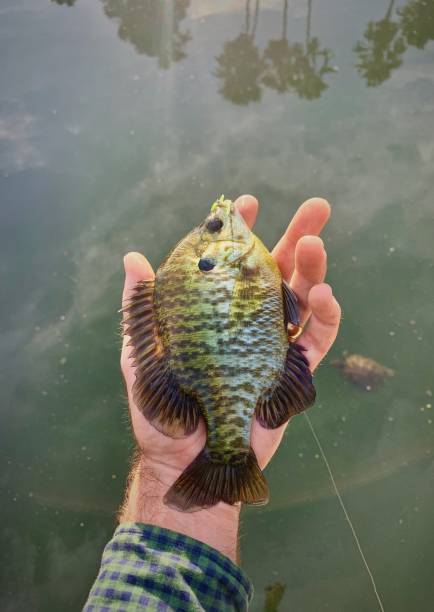
Bluegill Inline Spinners
An inline spinner has a blade attached to a central axis, that spins and creates vibrations and flash in the water. This makes for an excellent bluegill lure. I love throwing an inline spinner in a creek or river, along weed lines, and through fields of bluegill beds. The small treble hook and size is perfect for medium to large bluegill bites. Using an inline spinner on an ultralight setup in a solid pond or creek will make for an awesome day of bluegill fishing. Some of my personal favorite inline spinners are:
Mepps Aglia Inline SpinnerWordens Rooster TailMepps Dressed Aglia Inline Spinner
Small Crankbaits
Crankbaits may be one of the best lures of all time, don’t worry they make mini sizes for panfish too! Small crankbaits make for popular bluegill lures because they do a great job of imitating the appearance and movement of small baitfish. The iconic wobbling action, and rattles on some models, create a noise and vibrations that naturally interest the bluegill. You can fish them in a range of depths to target bluegill near the surface or down deeper along weed edges and drop offs. With lifelike looks and swimming action of small crankbaits triggers instinctive reaction bites, their hard durable bodies make them reusable over and over again and do an excellent job in covering large bodies of water. The only downside of small crankbaits is that they are on the larger side of bluegill baits, so you will only be able to target bluegill and panfish on the larger side, which isn’t a bad thing, unless you are targeting smaller bluegill to use for bait otherwise throw one out there and see what bites! My go to small crankbaits are:
Rapala Ultra Light CrankStrike King Bitsy MinnowRapala Mini Fat Rap 3Googan Squad Mini Banger Squarebill Crankbait
Bluegill Fishing Kits
Prepackaged lure kits are an amazing spot to start with bluegill lures especially for beginning anglers as they over a convenient, ready to use, selection of proven lures and baits specifically for bluegill and panfish. They will likely have some soft plastics, jig heads, bobber, hooks, and maybe even some small hard baits. Everything in the prepared panfish kit will be in colors and sizes that appeal to bluegill and other sunfish which takes out the guess work for newer anglers. We probably have all seen the little utility boxes full of lures and baits on the bottom shelf of the fishing section at Walmart or other store that are designed to be ready to go lure kits for different species. As an experienced angler you may laugh at these, but the truth is that they have really become quite great options for people new to fishing, especially kids, and anglers looking to build up their tackle collection.
Lure Scents for Bluegill
As mentioned before, one of the best reasons to use live bait for bluegill fishing is because of the scent they give off in the water. Since bluegill rely on their smell as one of their main senses of hunting, adding some extra scent to your bait is a great strategy especially in highly pressured areas, or murky waters. Garlic, baitfish, and nightcrawler are some of the best fishing scents and attractants you can add to your baits. Whether you're tipping jigs, using soft plastics, or fishing under a bobber, applying a quality scent can give you an extra edge and increase your success rate, just spray on or add some scent to your baits and give it a go!
Bluegill Lure Storage
Now that you have your shopping list of bluegill baits and lures you should know where and how to store them! The easiest way is to store them in a tackle box with adjustable compartments. Tackle boxes come in all different sizes, and when it comes to utility boxes you can get customizable as far as sizes go. They also come in waterproof options as well. Read our article on How To Organize Your Tackle Box to learn more about organizing lures by type, color, or size.
When you are packaging up and storing your soft plastics for bluegill fishing, consider using plastic bags for soft plastics. You can use a worm binder or designated utility boxes for just soft plastics. Just make sure to keep these out of direct sunlight and heat as the soft plastic baits may melt together and bleed their colors.
Since jigs are such a popular way to rig soft plastics or even live grubs you may want to look into using a smaller utility box or even a foam lined jig box to store specifically your jigs. This will help you know exactly where all of your jigs are and save you time while out fishing.
Finally, you should label and categorize your fishing gear to even further optimize your bluegill fishing gear storage. Knowing where and what everything is will make for easy and efficient switching of baits when out on the water.
Tips & Tricks For Catching Bluegill
Many advanced anglers may not need any tips or tricks to help them catch bluegill, in fact you probably got into fishing by catching bluegill and learning how to catch sunfish. But, despite their reputation of being dumb or easy to catch, they can still prove to be tricky especially in pressured waters. Here are my three biggest tips and tricks when you are fishing for bluegill to get a successful bite.
- Use Ultralight Tackle: Bluegill and panfish are small, downsize your gear from your rod and reels, you line, your hooks, your lures, everything needs to be small. These fish have smaller mouths so if your equipment is too big, they will see and get spooked, or it will be too big for them to bite.
- Match the Hatch: Pay attention to what bluegill are feeding on before you start fishing. If you see a school of bluegill in the water, see if they are feeding on falling insects, grubs in the water, small bait fish, etc. Whatever info you can gather, the better. See if you can match up your bait or lures to what the fish are actually eating. This is a great strategy when fishing for any species, but it can help immensely when fishing for bluegill.
- Keep Quiet And Stealthy: Bluegill are not as dumb as you may think! They can see and hear you if you are too close to the water or making a racket. If you want a better chance of catching fish, stand a bit back from the bank and cast into an area that is a bit further away than where you are. The fish in this are will not have seen you yet and are more likely to feed on your bait.
Species of Sunfish
Here is a quick visual breakdown of some of the most common sunfish species:
Bluegill
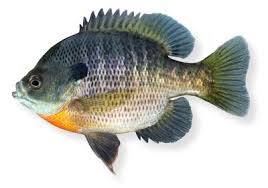
Green Sunfish
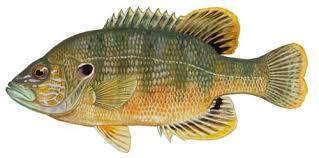
Pumpkinseed
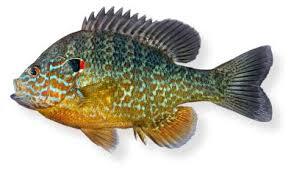
Redear Sunfish
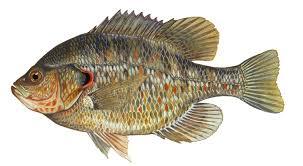
Long Ear Sunfish
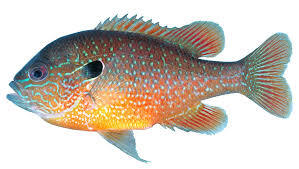
Redbreast sunfish
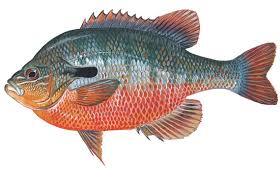
Best Bluegill Lures - Bluegill Fishing Guide Overview
Overall, bluegill will bite a wide variety of baits and lures if the size is right. These fish are such a fun time to catch for a fish fry, learning how to fish, catching live and cut bait, or just needing to feel some tight lines. They respond very well to live bait on small hooks and will even bite small lures. Bluegill love to hang out in vegetation or by structure to hide from predator fish. Despite having the reputation of being the easy fish to catch, they provide hours of fun and can even have some beautiful colors as well. So, take some of these tips, get your gear ready, and have a little bluegill fishing trip. Let us know what you found helpful, and your personal favorite tips for catching bluegill. If you have any questions, please fill out the contact us form below to talk to our fishing gear team or give us a call!
Featured Products
RUGER
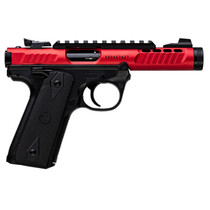
Ruger MKIV 22 LR 4.4" Threaded Barrel 10+1 Round Red
Specifications and Features: Description: RUG MKIV 2245 22LR TB RED DE Brand: Ruger Model: Mark IV 22/45 Type: Pistol: Semi-Auto Caliber: 22 LR Finish: Red Anodized Action:Single Action Stock:...

RUGER
Mark IV 22/45 Lite .22 LR 4.4" Barrel 40+1 Round
Simple, one-button takedown for quick and easy field-stripping and proper chamber-to-muzzle cleaning. Pressing a button in the back of the frame allows the barrel-receiver assembly to tilt up and off...

COTTON CORDELL
Cotton Cordell Suspending Ripplin' Red Fin - Chartreuse Perch 3/8 Ounce #17 Hook
The Cotton Cordell Red-Fin is a legendary lure for a variety of gamefish, from bass and walleye in freshwater to specks and redfish on the coasts. The wavy sides of the Ripplin’ Red-Fin create an...


RUGER
Ruger American Rifle Generation II Prairie 6.5 Creedmoor 20" Barrel 3 Round
Splatter finished stock provides excellent grip without being too sharp or abrasive. Soft rubber recoil pad features a large radius on the heel for easy shouldering and improved geometry that...
SHAKESPEARE
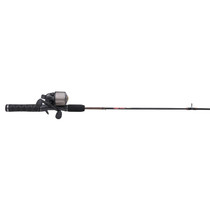
Shakespeare Ugly Stik GX2 Spincast Combo 5' Light Rod Power 2 Piece
Specifications and Features: Rod Length 5' Rod Power Light Line Rating 4 - 10 lb # Pieces 2 Reel Size 6 Reel Handle Position Right/Left Gear Ratio 3.5:1 Max Drag 6lb | 2.7kg