
Compound Bows VS Crossbows What Is Better For You
Posted by Tom Hennie on Sep 2nd 2025
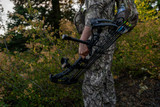
Table of Contents
- Why Hunters Debate Crossbows VS Compound Bows
- What Is A Crossbow?
- What Is A Compound Bow?
- Head to Head Comparison of Compound Bows vs Crossbows
- Choosing a Crossbow or Compound Bow For Hunting
- Which Should You Choose Crossbow or Compound Bow
- Ethical Considerations for Compound Bows vs Crossbows
- FAQs about Compound Bows and Crossbows
- Compound Bows VS Crossbows Final Thoughts
Why Hunters Debate Crossbows VS Compound Bows
The discussion of crossbow vs compound bow has become one of the most common debates in modern bowhunting. Both options have surged in popularity as more hunters look for reliable, ethical, and effective ways to pursue game. While compound bows are celebrated for their tradition, precision, and challenge, crossbows have earned a strong following thanks to their ease of use, stability, and growing acceptance in hunting seasons.
The truth is, choosing between a compound bow or crossbow isn’t about which one is “better” overall, it depends on your hunting style, local regulations, and level of experience in the field. Some hunters thrive on the skill and discipline required by a compound bow, while others value the accessibility and accuracy of a crossbow.
At Fin Feather Fur, our team has decades of experience helping hunters select the right gear for their needs. As trusted experts in both compound bows and crossbows, we provide not just products but proven advice to ensure you’re properly equipped for every hunt.
What is a Crossbow?
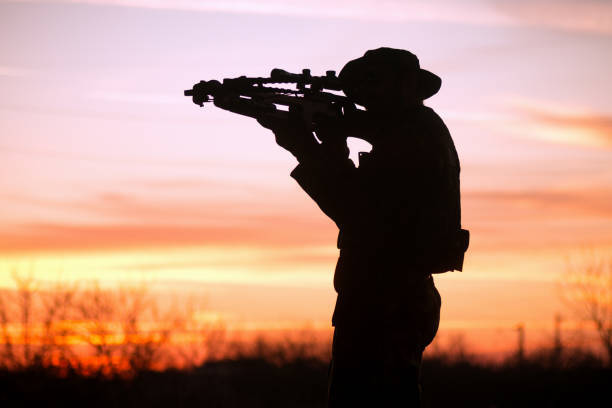
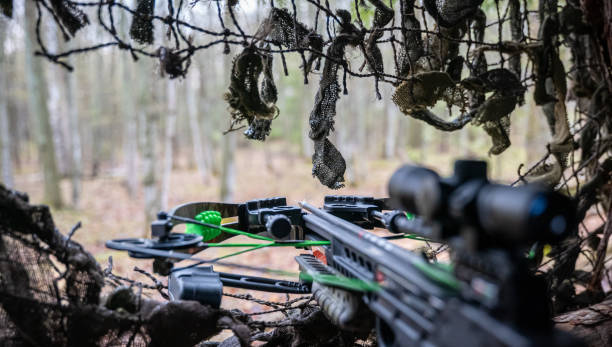
A crossbow is a modern hunting tool that combines the power of archery with the mechanics of a firearm. Unlike a vertical bow, a crossbow features a horizontal bow design mounted to a stock, allowing hunters to draw and lock the string in place until ready to fire. Many models include a trigger system and scope, making them highly accurate and easier to handle than traditional bows. Crossbows have been in existence since around the 6th century BC, but thanks to advances in technology have become an elite tool for archery hunting.
Key Features of a Crossbow
-
Horizontal Bow Design :
Compact and stable, offering excellent accuracy from a rest or stand. -
Trigger System :
Allows hunters to hold the bow at full draw without physical strain. -
Scope Use :
Most modern crossbows include optics, improving precision and extending effective range.
Advantages of Crossbow Hunting
-
Easy Learning Curve :
Crossbows require less practice to become proficient, making them popular among beginners. -
Stability and Accuracy :
The ability to rest the crossbow on a shooting rail or bipod improves shot consistency. -
Extended Seasons in Some States :
Certain regulations allow crossbow use during archery seasons, giving hunters more opportunities in the field.
Challenges With a Crossbow
-
Heavier and Bulkier :
Crossbows are often larger and less maneuverable than compound bows, especially in dense cover. -
Slower Reload :
Unlike compound bows, follow-up shots take more time, which can be limiting in fast-moving hunting scenarios. -
Hunting Restrictions :
Some states limit or regulate crossbow use during archery seasons, requiring hunters to confirm local laws before heading out.
What Is A Compound Bow?
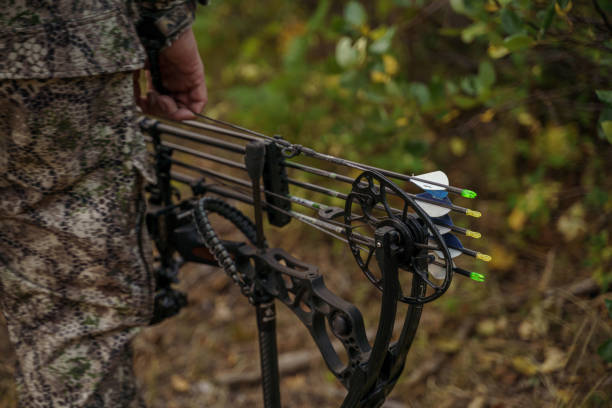
A compound bow is one of the most popular modern archery tools, designed with a system of cams and pulleys that make it more efficient and powerful than traditional recurve bows. The cam system reduces the draw weight at full draw (known as let-off), allowing hunters to aim more steadily without fatigue. This technology gives compound bows their reputation for accuracy, speed, and control in hunting situations.
Key Features of Compound Bows
-
Cams and Pulleys :
Provide mechanical advantage, boosting arrow speed and power. -
Draw Length Adjustment :
Customizable to the hunter’s body size for consistent accuracy. -
Let-Off :
Reduces holding weight at full draw, making it easier to aim for longer periods.
Advantages of a Compound Bow For Hunting
-
Precision and Accuracy :
Delivers consistent arrow flight and pinpoint targeting at hunting distances. -
Tradition and Skill :
Appeals to hunters who enjoy the challenge and heritage of bowhunting. -
Control and Customization :
Adjustable draw weights, lengths, and accessories make compound bows versatile. -
Lighter Weight and Maneuverability :
Easier to carry and handle than most crossbows in the field.
Disadvantages of a Compound Bow
-
Longer Learning Curve :
Requires significant practice and consistent form to master. -
Physical Strength Required :
Drawing and holding the bow engages upper body muscles, which can be demanding for some hunters.
Head to Head Comparison of Compound Bows vs Crossbows
When it comes to crossbow vs compound bow, both have unique strengths and weaknesses that appeal to different types of hunters. Below, we compare the two across key categories that matter most in the field. So we asked the experts here at Fin Feather Fur with decades of experience what the difference is between crossbows and compound bows and even included a fun little comparison table for you.
Speed & Power
-
Crossbow :
Typically generates higher arrow velocity and greater kinetic energy, making it effective for hunters who prioritize power at medium ranges. -
Compound Bow :
hile slightly slower in raw speed, compound bows deliver efficient energy transfer and are highly effective within traditional archery hunting distances.
Accuracy & Range
-
Crossbow :
Offers excellent stability due to being shot from a rest or shoulder, often with a scope, making accuracy easier for beginners. Effective range can extend 40–50 yards. -
Compound Bow :
Accuracy depends heavily on hunter skill and consistent form. With practice, compound bows are extremely precise but typically used within 30–40 yards for ethical hunting shots.
Portability & Weight
-
Crossbow :
Heavier and bulkier, which can make carrying and maneuvering in tight cover more challenging. -
Compound Bow :
Lighter and easier to transport, with faster handling in tree stands or spot-and-stalk hunts.
Ease of Use
-
Crossbow :
Minimal learning curve; can be shouldered, aimed, and fired similar to a firearm, making it accessible for new hunters. -
Compound Bow :
Requires strength, form, and practice to master. Appeals to hunters who enjoy the challenge and skill development of archery.
Cost & Maintenance
-
Crossbow :
Often more expensive upfront, with higher maintenance on strings, cables, and cocking mechanisms. -
Compound Bow :
Generally more affordable, with a wide range of price points. Maintenance focuses on tuning, strings, and accessories but tends to be simpler long term.
| Category | Crossbow | Compound Bow |
|---|---|---|
| Speed & Power | Higher velocity, strong energy transfer | Slightly lower speed but efficient energy and penetration |
| Accuracy & Range | Easier accuracy, effective up to 40–50 yards with scope | Highly accurate with skill, ethical range typically 30–40 yards |
| Portability | Heavier and bulkier, harder in tight spaces | Lightweight, easier to carry and maneuver |
| Ease of Use | Simple to learn, similar to shooting a firearm | Requires practice, discipline, and physical strength |
| Cost & Maintenance | Higher upfront cost, more complex upkeep | Generally more affordable, easier maintenance |
Choosing a Crossbow or Compound Bow For Hunting
Every hunter’s choice between a crossbow or compound bow often comes down to the type of hunt they pursue. Each weapon excels in certain scenarios, and understanding these differences can help you make the most ethical and effective choice in the field.
Bowhunting Whitetail Deer
- Crossbow: A great option for hunters sitting in ground blinds or tree stands where steadiness and minimal movement are critical. The ability to shoulder the crossbow and aim with a scope helps reduce the chance of spooking deer.
- Compound Bow: Offers maneuverability and a quieter shot, which can be especially beneficial in dense whitetail habitat. The challenge of drawing without detection appeals to archery purists.
- Check out the National Deer Association for regulations by state for deer hunting.
Spot and Stalk Hunting
- Crossbow: The bulk and weight of a crossbow can make long hikes and quick shots more difficult. However, its accuracy at longer ranges can be helpful when hunters close the distance to wary game.
- Compound Bow: Lighter, more maneuverable, and faster to get into shooting position during dynamic stalks. A better fit for hunters covering lots of ground in open country.

Turkey Hunting With A Bow
- Crossbow: Turkeys have sharp eyesight, making minimal movement a priority. A crossbow allows hunters to remain still and use a scope for precise targeting at the head and neck.
- Compound Bow: Offers a quieter shot and quicker follow-up if needed. Hunters who prefer the challenge of calling turkeys close often enjoy the tradition of compound bow turkey hunting.
Big Game Pursuits
- Crossbow: Provides the power and accuracy needed for larger animals but may be cumbersome in rugged terrain. Best suited for ambush setups or stationary hunting where weight is less of an issue.
- Compound Bow: Preferred by many elk and bear hunters for its portability and the ability to shoot quietly in close encounters. Success depends heavily on hunter skill and shot placement.
- Learn about ethical shot placements and big game bowhunting from Bowhunter Magazine
Which Should You Choose Crossbow or Compound Bow
For many hunters, the decision of compound bow or crossbow comes down to experience. Both options can be highly effective in the field, but they offer very different learning curves and rewards.
- New Hunters: A crossbow is often the better entry point because it mimics the familiarity of a firearm, requires less physical strength, and offers an easier path to accuracy. This helps new hunters gain confidence and ethical shot placement more quickly.
- Experienced Archers: A compound bow provides greater challenge and satisfaction for those who have mastered archery fundamentals. The skill, tradition, and discipline required appeal to hunters who want a more immersive hunting experience.
| Hunter Type | Crossbow Advantages | Crossbow Disadvantages | Compound Bow Advantages | Compound Bow Disadvantages |
|---|---|---|---|---|
| Beginners | Easy to learn, accurate with little practice, scope helps with aiming, less physical demand | Heavier to carry, slower reload, may face legal restrictions | Builds archery fundamentals, lighter to carry, rewarding skill progression | Steeper learning curve, requires strength and practice |
| Experienced | Consistent accuracy at longer ranges, stability in blinds/stands | Less traditional, bulkier, slower to maneuver | Precision and control, strong sense of tradition, customizable setup, greater challenge and reward | Demands consistent practice, shorter effective range compared to scoped crossbow |
Ethical Considerations for Compound Bows vs Crossbows
When discussing bow vs crossbow hunting, the debate often extends beyond performance into questions of ethics, tradition, and fair chase. Many seasoned archers see the compound bow as the truest expression of bowhunting, requiring discipline, skill development, and close-range encounters that honor the spirit of archery. This challenge is a central part of why compound bows remain deeply respected in the hunting community.
Crossbows, on the other hand, offer easier accessibility and extend hunting opportunities to new hunters, youth, and those with physical limitations. For many, this makes crossbows not only ethical but also essential for keeping hunting inclusive and ensuring strong hunter participation in conservation.
Fair chase remains an important part of the conversation. While crossbows often allow for longer effective ranges and more stable shots, ethical hunters maintain that both crossbows and compound bows should be used responsibly within their effective limits. Most hunting organizations, including state wildlife agencies, recognize both tools as valid archery methods when used appropriately.
Ultimately, the choice between compound bow or crossbow comes down to personal values, hunting style, and respect for the game being pursued. By understanding both perspectives, hunters can make informed decisions that uphold tradition while embracing innovation.
Final Questions on Crossbows & Compound Bows
Is a crossbow more powerful than a compound bow?
In terms of raw speed and kinetic energy, crossbows often generate more power because of their higher draw weights and mechanical advantage. However, compound bows are extremely efficient and deliver plenty of penetration for ethical hunting when used within their effective range. Both are powerful enough for deer and most North American game when paired with the right broadheads.
Which is better for beginners: compound or crossbow?
For beginners, a crossbow is usually easier to learn because it functions more like a firearm, simply aim and pull the trigger. This makes it an accessible entry point into archery hunting. A compound bow requires more practice, strength, and consistency but rewards hunters with greater skill development and tradition.
Do crossbows shoot farther than compound bows?
Yes, crossbows typically shoot accurately at longer distances thanks to their scope systems and higher initial velocity. Ethical hunting shots with a crossbow may extend to 40–50 yards, while most compound bow hunters keep shots within 30–40 yards to ensure accuracy and clean kills. Regardless of weapon, staying within your effective range is key to ethical hunting.
Compound Bows VS Crossbows Final Thoughts
When it comes to the debate of crossbow vs compound bow, there isn’t a one-size-fits-all answer. Crossbows offer simplicity, stability, and accessibility for new hunters, while compound bows reward experience, tradition, and skill development. The best choice ultimately depends on your hunting style, goals, and local regulations.
At Fin Feather Fur Outfitters, we’ve been helping hunters and archers choose the right gear for decades. If you still have questions about whether a crossbow or compound bow is right for you, our expert archery team is here to help with personalized guidance. Visit us in-store or explore our full selection of crossbows and compound bows online , and get outfitted with the right gear for your next hunt.
Featured Products

SPRINGFIELD ARMORY
Springfield Armory Echelon Gear Pac 9mm 4.5" Barrel 4x 17-Round Viridian RFX11 Mags
At the core of the Echelon is the Central Operating Group, a serialized fire control system that can be easily removed and installed into different grip modules. This modular chassis increases...

DANIEL DEFENSE
Daniel Defense DDM4A1 RII 14.5" 5.56 NATO AR Black 30 Round
The DDM4A1 RII is designed as a dependable, duty-ready AR-15pattern rifle built around a fully ambidextrous lower, allowing operation of the bolt catch, safety selector, and magazine release from...

ZRO DELTA
ZRO Delta Ready Series V2 .223 Wylde 16" Barrel 30 Round
The Ready Series AR-15 Rifle is the foundational offering of the Ready Series. It combines all of the durability and reliability the Ready Series is known for with streamlined features. Featuring a...

GFORCE
GForce 1911 A1 US ARMY 45ACP 5" Barrel 7 Round
GForce 1911 A1 US ARMY 45ACP 5" Barrel 1 - 7 Round Magazine, Black Nitride Frame and Slide, Ambi Thumb Safety, Extended Grip Safety, Brown Grips MGE Exclusive. Specifications and Features: Caliber...
SMITH AND WESSON
Smith & Wesson Equalizer 3.675" 9mm OR (1)10(1)13 (1)15 Bundle w/ Viridian RFX 11 Savior Bag
Unleash your potential with our most advanced micro-compact yet. The EQUALIZER redefines concealed carry with next gen EZ technology, minimal recoil and adaptable magazine capacity all in a sleek,...
Z-MAN
Z-Man Shad FryZ
Rig a Z-Man Shad FryZ for crappies, panfish, trout, perch, and more species using micro finesse applications, and let this 1.75-inch fry imitator do its thing! Shad FryZ is a bite-sized swimbait that...

PFLUEGER
Pflueger President Spinning Reel 5.2:1
The Pflueger President Spinning Reel continues to lead the way in performance and value. The many Pflueger President sizes make them an excellent choice for anglers who want a high-quality...

ARIAT
Terrain Wide Square Toe Steel Toe Work Boots, Destressed Brown
ATS technology provides lightweight support that helps your foot adapt to uneven surfaces for lasting comfort and stability Gel-cushioned insole with heel stabilizer helps provide lasting comfort...

MUCK
Muck Women's Realtree Edge Woody Max Boots
For dedicated hunters, Muck Woody Series Women's Hunting Boots are packed with features to keep you protected on the move. The MS2 bobbed molded outsole of these women's hunting boots is designed to...

BROWNING
Browning Buckmark Slim Flipper Knife 3.13" D2 Black Drop Point Blade, Black Polymer Handles Liner Lock
The Buckmark Slim has all the features necessary to be your ideal everyday carry knife. First and foremost, it was designed with a skeletonized internal frame and tough polymer handle scales that...

DAIWA
Daiwa Kage Casting Rod 7'1" Medium Power Xtra Fast Action
We obtained the new Daiwa Kage casting rod, the KAG711MXB “Light Jig & Texas”, to be precise. This stick is a 7’1” medium power, extra-fast action rated for lures from 1/4-3/4. We got this model...

LELAND LURES
Leland's Lures Eyehole Round Jighead 1/32oz- Pink
Specifications and Features: Eyehole Round Jighead 1/32oz- Pink