
Ultimate Archery Gear Checklist
Posted by Tom Hennie on Aug 7th 2025

Importance of High Quality Archery Gear
Investing in high-quality archery gear is one of the most important decisions any archer can make, whether you're a beginner or a seasoned competitor. Superior equipment directly impacts your accuracy, consistency, and overall performance. A well-made bow, properly matched arrows, and durable accessories allow for more precise shooting and fewer mechanical failures, especially during practice or competition. Quality gear also reduces the risk of injury, with better protective elements and more reliable structural integrity, which is essential when drawing and releasing high-tension equipment repeatedly.
As an archer, your equipment should enhance, not hinder, your growth in the sport & while hunting. Inferior gear can lead to poor shooting form, frustrating performance plateaus, and even bad habits that are hard to correct later. Experienced archers and coaches alike stress the value of choosing trusted brands and materials that have been tested for durability and accuracy. By starting with dependable gear, you're not only building a strong foundation in archery but also ensuring that your time on the range or in the field is safe, effective, and enjoyable.
Archery Supplies Checklist
We cannot stress the importance of proper, high-quality archery supplies, but with all of that said we should get into what is some of the most important archery gear you can have with you whether you are practicing target shooting or out on a big hunt.
- Bows
- Arrows
- Bow Sights
- Arrow Rests
- Quivers
- Archery Targets
- Broadheads
- Bow Case
- Arm Guards & Finger Protection
- String Wax & Tools
Bows For All Archery Skill Levels
Bows are the most important step for archery hunting as it is the tool that drives the entire sport. There are many types of bows for archery including compound bows, longbows, compound bows, and even bowfishing bows if that is your style, but it takes more than grabbing any bow off the shelf so let’s get into the types of bows and how to pick them.
Recurve Bows :
Recurve bows are one of the most popular types of bows in modern archery, known for their elegant design and versatility. Often used in Olympic competition, recurve bows have limbs that curve away from the archer at the ends, storing more energy and delivering more power with less effort. They’re ideal for beginners due to their simple mechanics and easy maintenance, making them a top choice for learning proper shooting form. If you're new to archery or interested in target shooting, a high-quality recurve bow offers a great balance of control, accuracy, and affordability.
Compound Bows :
Compound bows are engineered for accuracy and power, using a system of cams and pulleys to make the draw easier while increasing arrow speed. These bows are a favorite among bowhunters and competitive shooters because of their precision, let-off, and consistency. With advanced features like adjustable draw weights and stabilizers, compound bows are highly customizable to suit different skill levels and shooting styles. If you're ready to invest in a more technical setup, a compound bow is a top-tier option for maximizing performance and shot control.

Longbows :
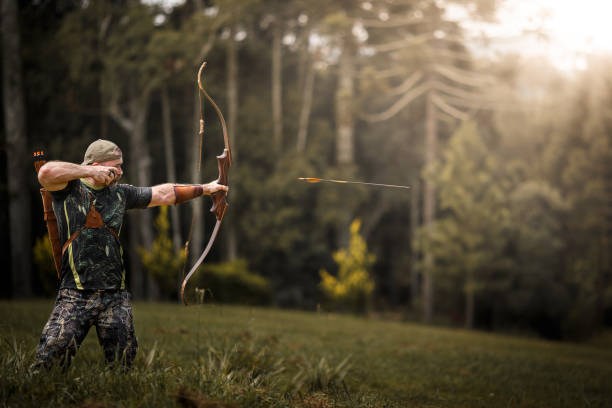
The longbow is a classic, traditional style of bow that dates back centuries and is still favored by purists for its simplicity and historical charm. Unlike recurves or compounds, longbows have no additional mechanisms, just a long, elegant wooden frame and a string. While they require more strength and skill to master, longbows offer a deeply rewarding shooting experience for those interested in instinctive archery or historical reenactment. They're perfect for traditional archers looking to challenge themselves and connect with the roots of the sport.
Crossbows :
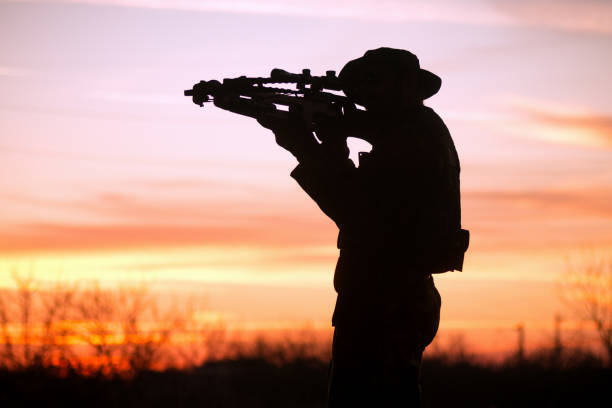
Crossbows differ from traditional bows in that they use a horizontal design and a trigger mechanism, similar to a firearm. They are especially popular in hunting due to their high power, quiet release, and ability to remain cocked and ready to fire. Modern crossbows often feature scopes, crank systems, and other enhancements that make them ideal for precise, long-range shots. However, they may be subject to different regulations depending on your location, so always check local laws before buying. Crossbows are ideal for those seeking serious stopping power with a shorter learning curve.
How To Choose The Right Bow For You :
Selecting the right bow depends on several factors including your experience level, intended use (target shooting, hunting, or competition), and personal preference. Beginners often do well with recurve bows because they promote good form and are easy to maintain. More advanced archers may prefer compound bows for their accuracy and customization, while traditionalists might enjoy the challenge of a longbow. Crossbows can be a great fit for hunters or those transitioning from firearms. Always test different bow types if possible and consult with a certified archery pro to ensure proper draw weight, length, and fit for your body and goals.
Arrows
Arrows are the counterpart to the bow in being some of the most important tools an archer can use when practicing and hunting. Similar to bows, there is quite a variety of archery arrows to choose from. So let's talk about the types of arrows and how to choose the best ones for your archery needs.
Understand Archery Arrows
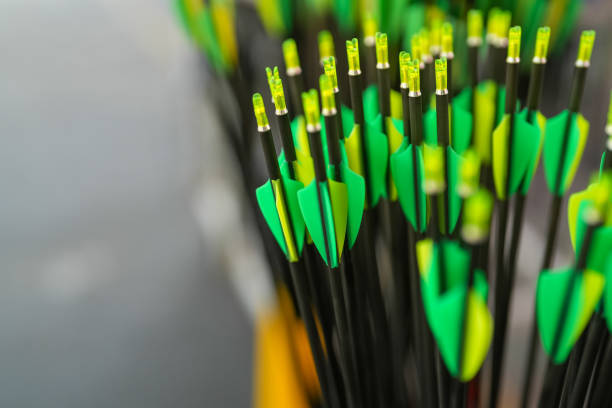
Arrows may seem simple at first glance, but they are one of the most critical components of an archer’s setup. The material, spine (flexibility), weight, and length of an arrow all significantly affect flight stability, accuracy, and penetration. Most modern arrows are made from carbon, aluminum, wood, or hybrid composites. Carbon arrows are the most popular choice today due to their lightweight durability and consistent spine rating, making them ideal for both target shooting and bowhunting. Aluminum arrows are slightly heavier and often favored by competitive target archers for their precision and uniformity. Wooden arrows, while less common in modern setups, are still used by traditional and longbow archers for their classic feel and aesthetics.
Choosing The Right Arrows For You
When choosing arrows, it's essential to match them to your bow’s draw weight, draw length, and intended use. For example, hunting arrows typically use heavier shafts and broadheads to ensure deeper penetration and ethical kills, while target arrows are designed for speed and tight groupings. The spine rating of an arrow must be compatible with the energy output of your bow, too stiff or too flexible, and your accuracy will suffer. Arrow length also matters: too short can be dangerous, while too long can affect flight dynamics. New archers should always consult a pro shop or use an online spine calculator to ensure they’re using safe and effective arrow setups. And don't forget the small details, fletching type, nocks, and points can all be optimized for better flight, reduced drag, or easier target retrieval.
Bow Sights
A bow sight is one of the most valuable tools for improving shot accuracy and consistency, especially for intermediate to advanced archers. Mounted to the riser of the bow, bow sights help you visually align your shot with the target using one or more pins (fixed or adjustable), fiber optics, or even digital rangefinders in high-end models. By providing a clear point of reference, bow sights reduce guesswork and allow for more precise aiming at varying distances. Whether you're practicing on the range or bowhunting in the field, a properly tuned sight can drastically improve your grouping and confidence. For beginners, starting with a simple 3-pin sight is a great way to learn distance estimation and develop muscle memory. As your skills progress, you can upgrade to a multi-pin or single-pin adjustable sight for finer control and performance.

Arrow Rests
An arrow rest is a small but essential component that plays a big role in stabilizing your shot and improving overall accuracy. Mounted to the bow’s riser, the arrow rest supports the arrow until it is released, guiding it cleanly and consistently toward the target. There are several types of arrow rests, including drop-away, whisker biscuit, prong-style, and plunger rests, each designed for specific bow types and shooting styles. For example, drop-away rests are favored by compound bow hunters for their minimal contact and improved arrow flight, while whisker biscuit rests offer reliability and ease of use, making them great for beginners. Recurve archers often use plunger-style rests for precision tuning in target shooting. Choosing the right arrow rest ensures your arrow leaves the bow without unnecessary drag or wobble, which translates to tighter groupings and more consistent performance, critical for both hunting and competition.
Quivers
A quiver is more than just a container for arrows, it’s a crucial piece of gear that enhances safety, accessibility, and shooting efficiency. Whether you're practicing at the range or moving through the woods on a hunt, well-designed quivers keeps your arrows secure, organized, and within easy reach. There are several types to choose from, including back quivers, hip quivers, bow-mounted quivers, and ground quivers, each suited for different archery styles and scenarios. Bow-mounted quivers are popular among bowhunters for their compact, ready-to-shoot setup, while hip and back quivers are often preferred by target archers and traditional shooters for comfort and quick access. Using a quality quiver not only protects your arrows from damage but also helps maintain focus by streamlining your shot process, making it an essential addition to any archer’s gear list.
Archery Targets For Safe Practice
Archery targets are a foundational part of any archer’s training setup. Whether you're a beginner refining your form or a seasoned shooter preparing for competition or hunting, a quality target allows you to practice safely, track progress, and build consistency. Using the right type of archery targets improves not only accuracy but also arrow longevity, as low-quality backstops can damage arrows on impact. Selecting the proper target depends on your shooting environment, bow type, and draw weight, key considerations for both safety and performance.

Foam Block Archery Targets :
Foam block targets are among the most popular choices for target practice due to their portability, affordability, and durability. Made from high-density foam, these targets can handle repeated shots from compound and recurve bows, and many are designed for easy arrow removal. They’re ideal for backyard practice or portable range setups, especially for archers who need a target that’s easy to move and set up quickly. Foam blocks are best suited for field points rather than broadheads, making them perfect for honing precision during regular training.
Bag Archery Targets :
Bag targets are large, square-shaped targets filled with synthetic fiber material that stops arrows efficiently without causing excessive wear. They’re perfect for target shooters using field points and offer excellent visibility with bold aiming dots or bullseyes printed on the front. Bag targets are typically used for medium to lower draw weights and aren’t designed for broadhead use. Their easy arrow removal and long-lasting design make them a great choice for beginners, or anyone focused on consistent form and accuracy.
3D Targets For Realistic Archery Training :
3D targets are designed to simulate real game animals like deer, elk, or wild boar, providing a lifelike practice experience for bowhunters. Made from layered or molded foam, these targets often feature replaceable vital zones to extend their lifespan. 3D targets help hunters develop ethical shot placement and improve depth perception in field conditions, especially when practicing from tree stands or angled positions. While more expensive than standard targets, 3D models are an essential investment for serious bowhunters aiming to replicate real-world scenarios.
Broadheads
Broadheads are specialized arrow tips designed specifically for hunting, and choosing the right one is crucial for achieving quick, humane kills. Unlike field points used for target practice, broadheads feature razor-sharp blades intended to cause maximum damage to vital organs, ensuring efficient takedown of game animals. There are two main types: fixed-blade broadheads, known for their durability and reliability, and mechanical (expandable) broadheads, which deploy blades on impact for larger wound channels and improved accuracy at longer ranges. The choice between them often depends on your bow setup, draw weight, and the type of game you’re pursuing. Using a properly tuned and legal broadhead not only improves penetration and accuracy but also aligns with ethical hunting practices—making it one of the most important pieces of gear in any bowhunter’s kit.

Bow Cases To Protect Your Tools
A high-quality bow case is essential for protecting your archery equipment from damage, especially during transport and storage. Whether you shoot a compound, recurve, or crossbow, your bow is a precision instrument, and even minor impacts or environmental exposure can affect its performance. Hard cases offer maximum protection with rigid exteriors and padded interiors, ideal for air travel or rugged field use. Soft cases, while more lightweight and portable, are great for local trips to the range and offer basic protection against dust, scratches, and light bumps. Many modern cases also include compartments for arrows, tools, and accessories, helping you stay organized and ready to shoot. Investing in a durable, well-fitted bow case not only extends the life of your gear but also gives you peace of mind every time you carry it.
Arm Guards & Finger Protection
Arm guards and finger protection are critical components of any archer’s gear, helping to prevent injury and promote proper form with every shot. An arm guard protects your forearm from painful string slap, a common occurrence, especially for beginners working on their stance and release. Available in various sizes and materials, arm guards ensure that clothing doesn’t interfere with the bowstring, allowing for a clean, unobstructed shot. Equally important is finger protection, which comes in the form of finger tabs, gloves, or mechanical releases (for compound archers). These tools protect your fingers from repetitive strain and help ensure a smoother, more consistent release. Without proper protection, discomfort and form breakdown are likely, leading to inaccurate shots and possible long-term injury. Whether you're a beginner or an experienced archer, quality arm and finger protection is non-negotiable for both performance and safety.
String Wax & Tools
Regular maintenance is key to extending the life of your archery equipment and ensuring consistent performance, and string wax is one of the simplest yet most important tools in your kit. Applying bowstring wax helps prevent fraying, protects against moisture, and maintains the string’s flexibility, critical for both accuracy and safety. In addition to wax, every archer should keep a set of basic tools on hand, such as Allen wrenches, nocking pliers, a bow square, and a string serving tool. These tools and archery accessories allow for quick adjustments, tuning, and minor repairs whether you're at home or in the field. Keeping your bow properly maintained reduces the risk of mechanical failure, improves shot consistency, and saves money in the long run by avoiding preventable damage. A well-maintained bow is a reliable bow, so never overlook the importance of quality maintenance tools in your archery gear checklist.
Gear Up For Archery Season With The Best Archery Gear
With this comprehensive list, we hope that you have a better idea of all the things you should be bringing on your next big archery hunt, or what you need to get started with some target practice at a beginner level. Choosing the right archery gear isn’t just about preference, it’s about performance, safety, and long-term growth in the sport. From selecting the right bow and arrows to using reliable accessories like sights, arrow rests, quivers, and protective equipment, every piece plays a crucial role in how confidently and accurately you shoot. High-quality gear helps you build proper technique, avoid injury, and enjoy a more consistent, rewarding experience whether you're target shooting, bowhunting, or competing. By investing in well-made, properly fitted equipment and maintaining it with the right tools, you set yourself up for success every time you step up to the line. With this ultimate checklist in hand, you’ll be well-equipped to shoot with precision, confidence, and passion. If you have any other questions please contact our expert archery department by filling out a form or calling our store!
Featured Products

SPRINGFIELD ARMORY
Springfield Armory Echelon Gear Pac 9mm 4.5" Barrel 17/20-Round Viridian RFX11 4 Mags
At the core of the Echelon is the Central Operating Group, a serialized fire control system that can be easily removed and installed into different grip modules. This modular chassis increases...

DANIEL DEFENSE
Daniel Defense DDM4A1 RII 14.5" 5.56 NATO AR Black 30 Round
The DDM4A1 RII is designed as a dependable, duty-ready AR-15pattern rifle built around a fully ambidextrous lower, allowing operation of the bolt catch, safety selector, and magazine release from...

ZRO DELTA
ZRO Delta Ready Series V2 .223 Wylde 16" Barrel 30 Round
The Ready Series AR-15 Rifle is the foundational offering of the Ready Series. It combines all of the durability and reliability the Ready Series is known for with streamlined features. Featuring a...

GFORCE
GForce 1911 A1 US ARMY 45ACP 5" Barrel 7 Round
GForce 1911 A1 US ARMY 45ACP 5" Barrel 1 - 7 Round Magazine, Black Nitride Frame and Slide, Ambi Thumb Safety, Extended Grip Safety, Brown Grips MGE Exclusive. Specifications and Features: Caliber...
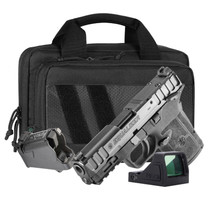
SMITH AND WESSON
Smith & Wesson Equalizer 3.675" 9mm OR (1)10(1)13 (1)15 Bundle w/ Viridian RFX 11 Savior Bag
Unleash your potential with our most advanced micro-compact yet. The EQUALIZER redefines concealed carry with next gen EZ technology, minimal recoil and adaptable magazine capacity all in a sleek,...
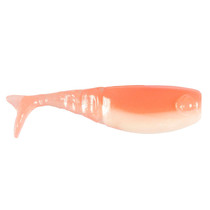
Z-MAN
Z-Man Shad FryZ
Rig a Z-Man Shad FryZ for crappies, panfish, trout, perch, and more species using micro finesse applications, and let this 1.75-inch fry imitator do its thing! Shad FryZ is a bite-sized swimbait that...

PFLUEGER
Pflueger President Spinning Reel 5.2:1
The Pflueger President Spinning Reel continues to lead the way in performance and value. The many Pflueger President sizes make them an excellent choice for anglers who want a high-quality...

ARIAT
Terrain Wide Square Toe Steel Toe Work Boots, Destressed Brown
ATS technology provides lightweight support that helps your foot adapt to uneven surfaces for lasting comfort and stability Gel-cushioned insole with heel stabilizer helps provide lasting comfort...

MUCK
Muck Women's Realtree Edge Woody Max Boots
For dedicated hunters, Muck Woody Series Women's Hunting Boots are packed with features to keep you protected on the move. The MS2 bobbed molded outsole of these women's hunting boots is designed to...

BROWNING
Browning Buckmark Slim Flipper Knife 3.13" D2 Black Drop Point Blade, Black Polymer Handles Liner Lock
The Buckmark Slim has all the features necessary to be your ideal everyday carry knife. First and foremost, it was designed with a skeletonized internal frame and tough polymer handle scales that...

DAIWA
Daiwa Kage Casting Rod 7'1" Medium Power Xtra Fast Action
We obtained the new Daiwa Kage casting rod, the KAG711MXB “Light Jig & Texas”, to be precise. This stick is a 7’1” medium power, extra-fast action rated for lures from 1/4-3/4. We got this model...

LELAND LURES
Leland's Lures Eyehole Round Jighead 1/32oz- Pink
Specifications and Features: Eyehole Round Jighead 1/32oz- Pink