
Hard Baits vs Soft Plastics: Which Is Better for Fishing?
Posted by Tom Hennie on May 6th 2025
When it comes to choosing the best fishing lure, anglers often find themselves debating between hard baits vs soft plastics. Both types of lures have unique advantages and applications, and the decision ultimately comes down to conditions, target species, and personal preference. For me personally, I use more hard baits when I am fishing, as it’s just what I am used to. In this guide, we’ll dive into the characteristics, pros and cons, and best-use scenarios for hard baits and soft plastic fishing lures.
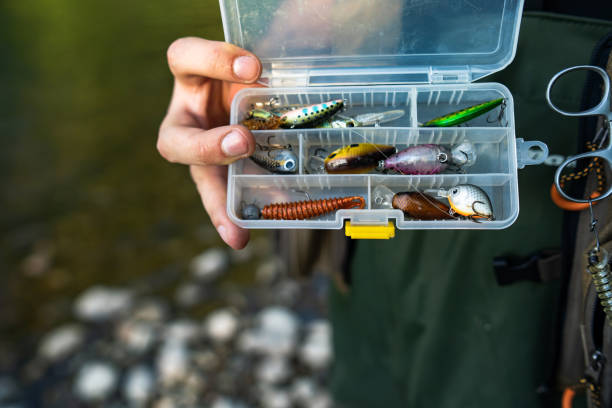
What Are Hard Baits?
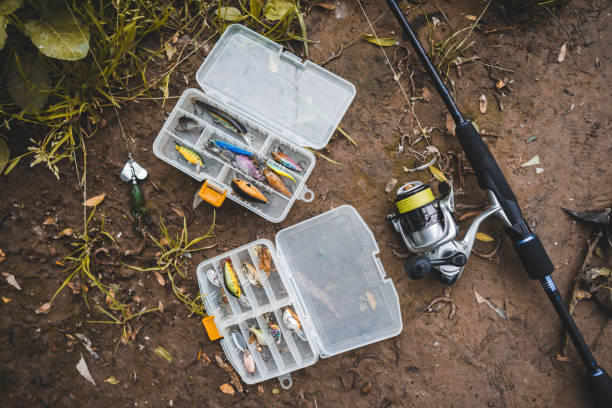
Hard baits are solid, typically molded plastic or wooden lures that imitate baitfish or other prey species. These lures are often equipped with treble hooks and painted with realistic finishes to attract fish visually and through movement. Many times, hard baits will have a “lip” that allows them to swim or “dive” to deeper parts of the water column. One of my go to hard baits is the 6th Sense Cloud 9 Series Crankbait in the Backwater Bluegill or Wild Shad color.
Common Types of Hard Baits
- Crankbaits – Designed to dive to specific depths and wobble like injured fish.
- Jerkbaits – Mimic dying baitfish with erratic side-to-side motion.
- Topwater lures – Float and create surface action to trigger aggressive strikes.
- Lipless crankbaits – Sink quickly and produce vibrations to attract fish.
- Swimbaits (hard) – Jointed lures that swim realistically in the water.
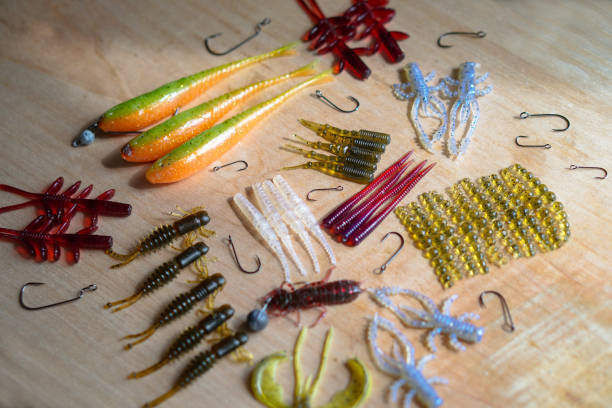
What Are Soft Plastics?
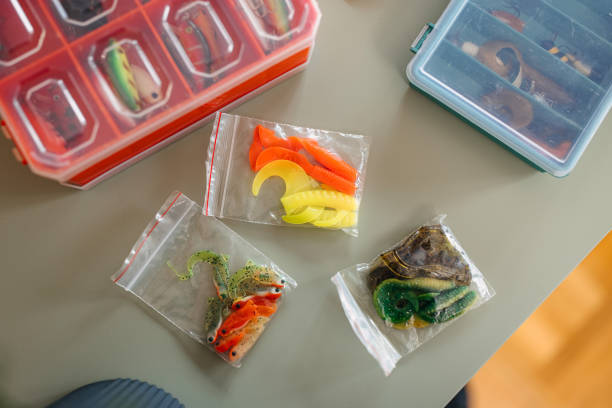
Soft plastics are flexible, rubbery lures designed to resemble worms, crawfish, minnows, and other aquatic creatures. These are highly customizable and often paired with jig heads or rigged on hooks using various techniques. Some of my favorite soft baits are the Berkley Powerbait Power Minnows and the 6th Sense Stroker Craw.
Common Types of Soft Plastics
- Worms – Perfect for finesse presentations like Texas or Carolina rigs.
- Creature baits – Designed to mimic crawfish or other bottom dwellers.
- Grubs – Small, curly-tailed lures that work well on jig heads.
- Swimbaits (soft) – Paddle-tail or straight-tail lures for realistic swimming action.
- Tubes – Cylindrical baits with tentacle-like tails, great for smallmouth bass.
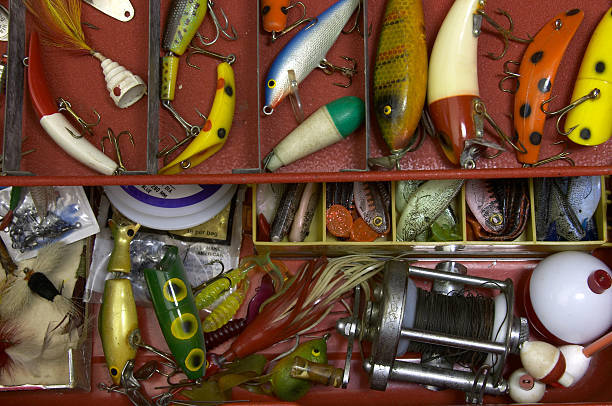
Hard Baits: Pros and Cons
There are many pros and cons of hard baits. To me, if you are fishing them properly and can avoid any major snags and hangups then the pros will far outweigh the cons for hard bait lures. But to be fair and not completely biased, let’s look at both pros and cons here.
Advantages of Hard Baits
- Durability: Withstand multiple catches without tearing or wearing down.
- Action: Built-in wobble, rattle, or darting motion to entice strikes.
- Depth control: Specific models target exact depths based on bill design.
- Noise and vibration: Internal rattles attract fish in murky water or from a distance.
- Lifelike appearance: Highly detailed finishes and paintjobs make a realistic presentation.
Disadvantages of Hard Baits
- Cost: More expensive than soft plastics; losing one can hurt your wallet.
- Limited flexibility: Less adaptable to various fishing techniques.
- Snag risk: Treble hooks can get caught in vegetation or structure.
- Heavier weight: Can spook fish in shallow or clear water.
Soft Plastics: Pros and Cons
Same here, if you are fishing a soft plastic correctly, comfortable with the finesse style, and have a good feel for the soft plastics, then these are a great bait to use in so many situations, especially for finicky fish, or fish hidden in structure. Here’s our full breakdown of the pros and cons of soft plastics.
Advantages of Soft Plastics
- Versatility: Can be rigged in numerous ways to adapt to conditions.
- Affordability: Cheaper per piece, ideal for bulk purchases.
- Subtle presentation: Natural movement perfect for finicky or pressured fish.
- Customization: Trim, dye, or combine baits to suit specific needs.
- Weedless rigging: Weedless rigs will help prevent snags and hangups in vegetation.
Disadvantages of Soft Plastics
- Durability: Soft plastics are soft and can tear or rip after only one or two fish.
- Requires rigging: Needs multiple pieces of terminal tackle to be fully rigged.
- Less flashy: Often lacks the sound and flash of hard baits.
- Environmental concerns: Lost soft plastics can pollute waterways if not biodegradable.
When to Choose Hard Baits vs Soft Plastics
There are plenty of situations for each type of lure to be used. You’re typically going to look at weather conditions, water conditions, time of year, species of fish, and overall goal of fishing. If you know the area you probably know where to cast and where to avoid so can use something more precise like a soft plastic rig, or if you are new to the water, you are fishing you can throw a hard swimbait to cover a lot of water.
When to Use Hard Baits
- Searching for fish: Cover water quickly and draw reaction strikes.
- Cold water or pre-spawn: Jerkbaits and crankbaits work great.
- Targeting aggressive fish: Loud, fast-moving baits can provoke hits.
- Fishing around rocks or open water: Less concern about snags.
When to Use Soft Plastics
- Fishing heavy cover: Texas-rigged plastics excel in weeds and brush.
- Targeting pressured fish: Subtle, slow presentations work best.
- Sight fishing: Drop-shot or wacky-rigged worms are ideal.
- Finesse techniques: Perfect for clear water or post-front conditions.
Comparing Action and Realism of Hard Baits to Soft Plastics
| Feature | Hard Baits | Soft Plastics |
|---|---|---|
| Action | Wobble, rattle, and flash | Subtle and lifelike with movement |
| Appearance | High detail finish | Realistic texture and flexibility |
| Sound/Vibration | Often iuncludes rattles | Generally silent |
| Versatility | Limited to specific designs | Can be rigged many ways |
Using Hard Baits and Soft Plastics For Target Species of Fish
While you may catch certain species on both soft plastics and hard baits, there are some species that tend to prefer one over the other. For examples, my favorite fishing is for Northern Pike and Muskie in Canada. When I am targeting these fish, I will almost always use a hard bait made of plastic and metal due to its durability against these toothy fish. My favorite to use is the Rapala Husky Jerkbait in either Blue Ghost or Fire Tiger colors. On the contrary, when I am fishing for panfish or even fly fishing for Steelhead trout in the Chagrin river I like to use soft plastics that imitate small minnows fighting the current to entice a strike. Large Mouth Bass are probably the best example of fish that will smash either hard baits or soft plastics, check out our list of the Best Spring Bass Lures to get dialed into the largies this year. Below are some of the best hard baits, and soft plastics for the most popular species to fish for.
Bass Fishing Lures
- Hard Baits: Crankbaits, jerkbaits, and topwater lures are effective for active bass.
- Soft Plastics: Senkos, craws, and creature baits are perfect for flipping, pitching, and finesse.
Walleye Baits
- Hard Baits: Shad-style crankbaits work well for trolling.
- Soft Plastics: Grubs and paddle-tails on jigs are deadly for vertical jigging.
Pike and Musky Lures
- Hard Baits: Large swimbaits, jerkbaits, and glide baits are top choices.
- Soft Plastics: Oversized tubes and reapers rigged on heavy jigs.
Trout and Panfish Lures
- Hard Baits: Small crankbaits and inline spinners.
- Soft Plastics: Micro grubs and tubes for ultralight setups.
Hard Baits vs Soft Plastics Cost Comparison
| Category | Hard Baits | Soft Plastics |
|---|---|---|
| Price per bait | $5–$20+ | $0.30–$1.00 |
| Durability | Long-lasting | Single or few uses |
| Initial investment | Higher upfront cost | Lower cost per package |
Environmental Impact of Soft Plastic Lures and Hard Baits
Most anglers like to keep their local fishing spots clean and try to keep their fisheries free of pollution. We should always keep in mind the environmental impact we are making and do our best to mitigate waste in the water, but sometimes lures get lost, it happens to the best of us (except you I’m sure). Something to consider is how much of an impact on the environment these two kinds of lures can make.
- Hard Baits: Made of non-biodegradable plastic or wood, but less likely to be lost.
- Soft Plastics: Often left behind in water; choose biodegradable options when possible.
FAQs: Hard Baits vs Soft Plastics
Which is Better for Beginners Soft Plastics or Hard Baits?
Soft plastics are generally better for beginners due to their lower cost, ease of use in various rigs, and success rates in pressured waters. That said, hard baits like crankbaits are simple and effective for covering water quickly. Get some crankbaits or smaller jerkbaits, and jigs with craws or minnow imitations and see what you feel more comfortable with to start.
Do fish prefer hard baits or soft plastics?
It depends on the conditions. Fish may respond better to hard baits when they’re aggressive or chasing prey, but soft plastics excel when fish are finicky or hiding in cover. For Bass it is very common to have to throw soft plastics in the spring when fish are bedding, but in the summer and fall using cranks and jerkbaits when they are actively hunting.
Are hard baits worth the money?
Yes, despite the higher upfront cost, hard baits are more durable and often reusable for years, especially when properly maintained. If you are tying them on correctly, and not snagging them a high-quality hard bait can last a lifetime and catch hundreds of fish, is that worth $10? Probably.
What's the best rig for soft plastics?
There is no way to determine exactly what is the best way to rig a soft plastic bait, however there are plenty of very popular options. Some popular and effective soft plastic rigs include:
- Texas rig
- Carolina rig
- Wacky rig
- Drop-shot
- Ned rig
Final Verdict: Hard Baits or Soft Plastics?
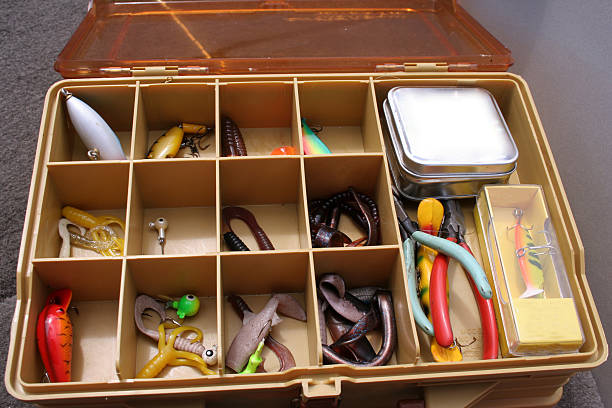
The hard baits vs soft plastics debate isn’t about choosing one over the other—it's about knowing when to use each. For aggressive, active fish or when covering water fast, hard baits shine. When finesse, subtlety, or weedless presentations are required, soft plastics are unbeatable. Another major factor is personal preference and comfort. I personally am not a huge fan of finesse fishing and like to glide a swimbait in front of structure to trigger fish to come out, my personal preferences lie with hard baits. The best anglers carry both types of lures and adapt based on water clarity, weather, fish activity, and structure. Mastering when and how to use each lure will elevate your fishing game.
Featured Products

SPRINGFIELD ARMORY
Springfield Armory Echelon Gear Pac 9mm 4.5" Barrel 4x 17-Round Viridian RFX11 Mags
At the core of the Echelon is the Central Operating Group, a serialized fire control system that can be easily removed and installed into different grip modules. This modular chassis increases...

DANIEL DEFENSE
Daniel Defense DDM4A1 RII 14.5" 5.56 NATO AR Black 30 Round
The DDM4A1 RII is designed as a dependable, duty-ready AR-15pattern rifle built around a fully ambidextrous lower, allowing operation of the bolt catch, safety selector, and magazine release from...

GFORCE
GForce 1911 A1 US ARMY 45ACP 5" Barrel 7 Round
GForce 1911 A1 US ARMY 45ACP 5" Barrel 1 - 7 Round Magazine, Black Nitride Frame and Slide, Ambi Thumb Safety, Extended Grip Safety, Brown Grips MGE Exclusive. Specifications and Features: Caliber...
SMITH AND WESSON
Smith & Wesson Equalizer 3.675" 9mm OR (1)10(1)13 (1)15 Bundle w/ Viridian RFX 11 Savior Bag
Unleash your potential with our most advanced micro-compact yet. The EQUALIZER redefines concealed carry with next gen EZ technology, minimal recoil and adaptable magazine capacity all in a sleek,...
Z-MAN
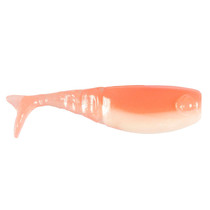
Z-Man Shad FryZ
Rig a Z-Man Shad FryZ for crappies, panfish, trout, perch, and more species using micro finesse applications, and let this 1.75-inch fry imitator do its thing! Shad FryZ is a bite-sized swimbait that...

PFLUEGER
Pflueger President Spinning Reel 5.2:1
The Pflueger President Spinning Reel continues to lead the way in performance and value. The many Pflueger President sizes make them an excellent choice for anglers who want a high-quality...

ARIAT
Terrain Wide Square Toe Steel Toe Work Boots, Destressed Brown
ATS technology provides lightweight support that helps your foot adapt to uneven surfaces for lasting comfort and stability Gel-cushioned insole with heel stabilizer helps provide lasting comfort...

MUCK
Muck Women's Realtree Edge Woody Max Boots
For dedicated hunters, Muck Woody Series Women's Hunting Boots are packed with features to keep you protected on the move. The MS2 bobbed molded outsole of these women's hunting boots is designed to...

BROWNING
Browning Buckmark Slim Flipper Knife 3.13" D2 Black Drop Point Blade, Black Polymer Handles Liner Lock
The Buckmark Slim has all the features necessary to be your ideal everyday carry knife. First and foremost, it was designed with a skeletonized internal frame and tough polymer handle scales that...

DAIWA
Daiwa Kage Casting Rod 7'1" Medium Power Xtra Fast Action
We obtained the new Daiwa Kage casting rod, the KAG711MXB “Light Jig & Texas”, to be precise. This stick is a 7’1” medium power, extra-fast action rated for lures from 1/4-3/4. We got this model...

LELAND LURES
Leland's Lures Eyehole Round Jighead 1/32oz- Pink
Specifications and Features: Eyehole Round Jighead 1/32oz- Pink